Heat Transfer

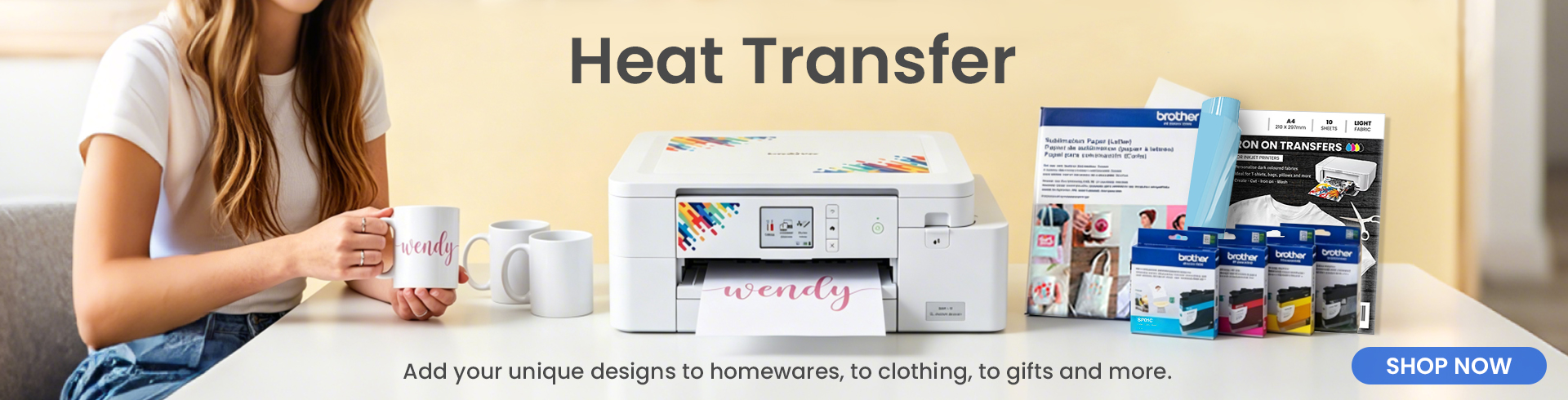
Heat transfer printing is a popular and versatile method for creating custom apparel, personalised gifts and promotional products. By using heat and pressure, designs can be transferred onto a variety of materials, making heat transfer printing suitable for hobbyists, creators, schools, clubs, small businesses and commercial production environments. At InkStation, we offer a complete range of heat transfer solutions including iron-on transfer, heat transfer vinyl(HTV)sublimationDirect-To-Film (DTF) printing supplies and Heat Press Machines. Each method is designed to suit different materials, applications and production requirements, helping you achieve professional-quality results for every project.  Whether you're creating custom t-shirts, uniforms, sportswear, tote bags, mugs or promotional merchandise, our range of heat transfer products provides the tools and materials needed to bring your ideas to life.


Show More
Heat Transfer

What Is Heat Transfer Printing?

Heat transfer printing is a decoration process that uses heat and pressure to apply designs onto fabrics, apparel and other printable surfaces. It is widely used for custom clothing, branded merchandise, personalised gifts and promotional products.

Depending on the project requirements, different heat transfer methods can be used, including heat transfer vinyl, transfer paper, sublimation printing and direct-to-film printing. Each method offers unique advantages in terms of durability, colour vibrancy, material compatibility and production efficiency.

As one of the most accessible custom printing methods available today, heat transfer printing allows businesses and creators to produce professional-quality products without large-scale manufacturing equipment.

Understanding Heat Transfer Printing Methods

Several heat transfer methods are available, each designed for different applications and materials.

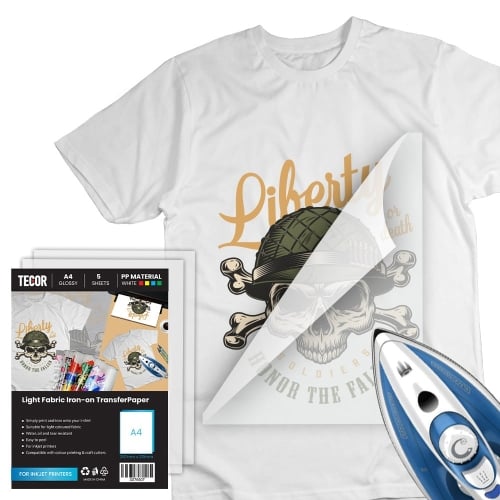
Iron-On Transfer Paper is a simple solution for applying printed designs onto garments and is popular for personalised t-shirts and short-run printing projects.

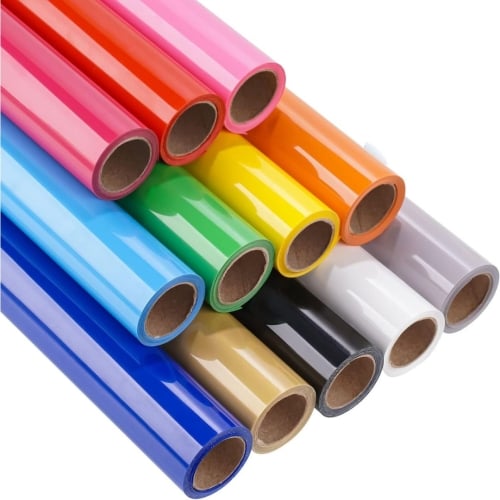
Heat Transfer Vinyl (HTV) is commonly used for logos, names, uniforms and custom apparel. It provides excellent durability and is available in a wide range of colours and finishes.

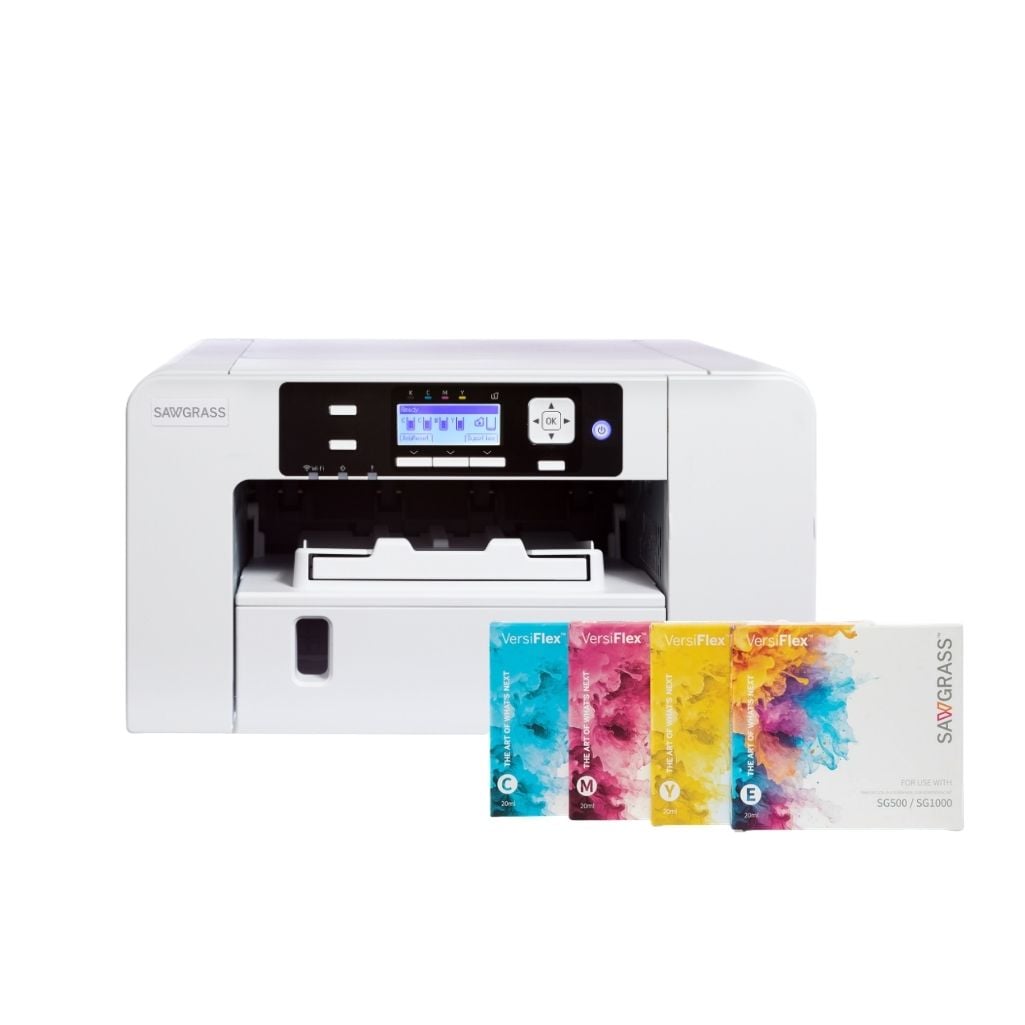
Sublimation Printing produces vibrant and long-lasting results by transferring specialised ink into polyester fabrics and coated products. It is widely used for sportswear, drinkware and promotional products.

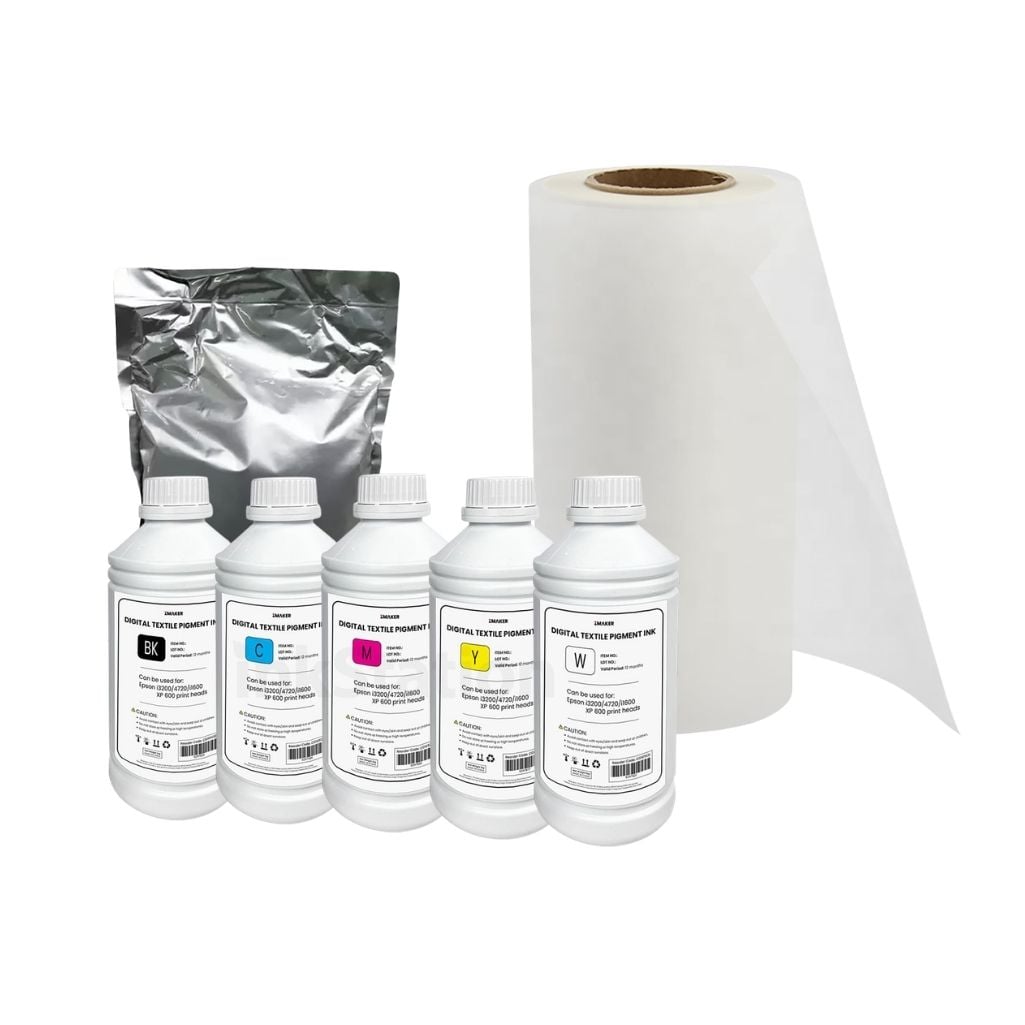
Direct-To-Film (DTF) Printing allows detailed full-colour designs to be transferred onto a wide range of fabrics, making it suitable for custom apparel and commercial production.

Understanding the strengths of each method helps ensure the best results for your printing projects.

Choose the Right Heat Transfer Method

Selecting the right heat transfer method depends on your materials, design requirements and production volume.

For beginners and small-scale projects, iron-on transfer paper offers a simple and cost-effective solution. For durable branding, uniforms and personalised apparel, heat transfer vinyl remains one of the most popular choices.

If you're looking for vibrant full-colour designs with exceptional durability, sublimation printing is ideal for polyester garments and coated products. Businesses requiring flexibility across different fabric types may also benefit from DTF printing solutions.

Choosing the correct method improves print quality, production efficiency and long-term durability.

Applications of Heat Transfer Printing

Heat transfer printing is used across a wide range of industries and creative projects.

Common applications include:

• Custom t-shirts and apparel
• Sportswear and team uniforms
• Workwear and branded clothing
• Tote bags and fabric products
• Corporate merchandise
• Promotional products
• Personalised gifts
• School and club apparel
• Event merchandise
• Small business product lines

Its versatility makes heat transfer printing suitable for both home-based creators and commercial production environments.

Complete Your Heat Transfer Setup

A successful heat transfer workflow requires more than just transfer materials. Depending on your chosen method, a complete setup may include transfer paper, heat transfer vinyl, sublimation supplies, printers, inks and a heat press machine.

Using compatible products helps improve transfer quality, colour consistency and production reliability. Investing in the right equipment also reduces waste, improves efficiency and supports business growth over time.

At InkStation, we provide a complete range of heat transfer solutions to support every stage of your workflow, from design creation through to final production.

Why Choose InkStation for Heat Transfer Supplies?

InkStation supplies a wide range of heat transfer products for businesses, schools, print shops, creators and hobbyists across Australia.

Our range includes heat transfer vinyl, transfer paper, sublimation supplies, DTF products and heat press equipment designed to support projects of all sizes. Whether you're producing personalised gifts, custom apparel or promotional merchandise, you'll find reliable products to help achieve professional results.

FAQs

What is heat transfer printing?

Heat transfer printing is a process that uses heat and pressure to transfer designs onto fabrics, apparel and other printable surfaces.

How does heat transfer printing work?

A design is first prepared on transfer material and then applied to the final product using heat and pressure, typically with a heat press machine.

What types of heat transfer methods are available?

Common methods include iron-on transfer paper, heat transfer vinyl (HTV), sublimation printing and direct-to-film (DTF) printing.

What is the difference between heat transfer vinyl and sublimation?

Heat transfer vinyl sits on top of the material and works on cotton, polyester and blended fabrics. Sublimation embeds ink into polyester fibres or coated surfaces, creating vibrant and long-lasting results.

What is the difference between transfer paper and heat transfer vinyl?

Transfer paper allows full-colour printed graphics to be transferred onto garments, while heat transfer vinyl is cut into shapes and applied directly to fabric.

Which heat transfer method is best for t-shirts?

The best method depends on the garment material and design requirements. HTV is popular for names and logos, while sublimation is preferred for polyester garments requiring vibrant full-colour designs.

Do I need a heat press machine?

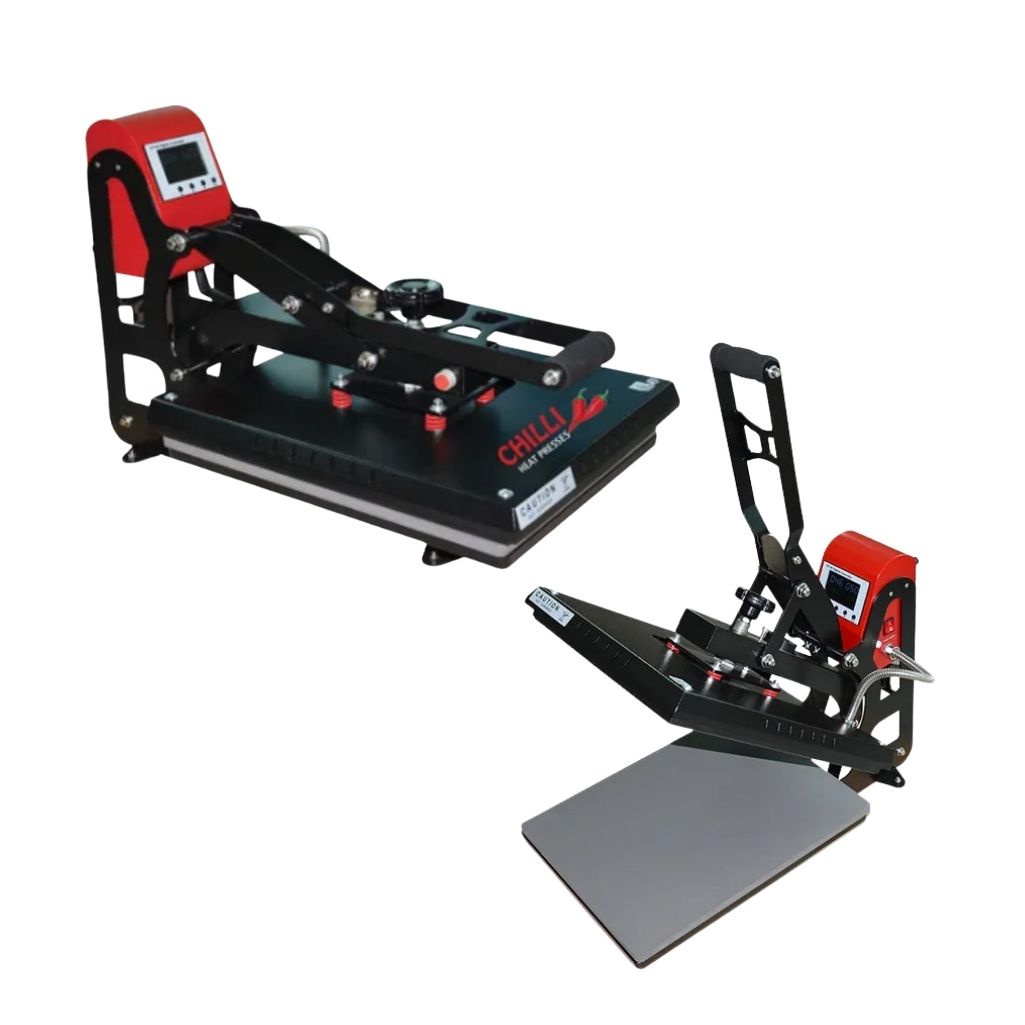
Yes. A heat press machine provides consistent heat and pressure, helping achieve professional-quality transfer results.

Can I use a regular printer for heat transfer?

Some transfer papers work with standard inkjet or laser printers, while sublimation requires a dedicated sublimation printer and ink.

What materials can be used for heat transfer printing?

Depending on the transfer method, materials may include cotton, polyester, fabric blends and specially coated products.

Is heat transfer printing durable?

Yes. When applied correctly, heat transfer designs can withstand repeated washing and everyday use. Durability varies depending on the transfer method used.

What equipment do I need for heat transfer printing?

Most projects require transfer materials and a heat press machine. Some methods may also require a compatible printer, specialised inks or cutting equipment.

What products can be customised using heat transfer printing?

Heat transfer printing can be used for apparel, uniforms, tote bags, promotional products, drinkware, gifts, branded merchandise and more.