















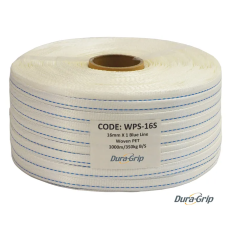
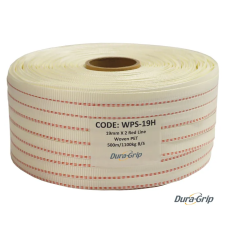
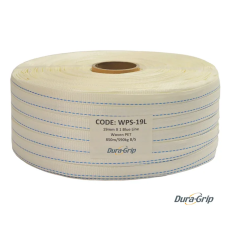
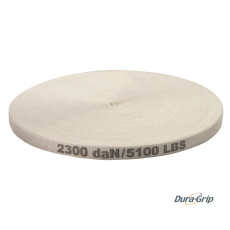
Choose from High-Performance Strapping Options for Every Load Type
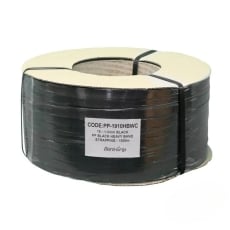
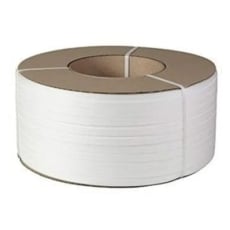
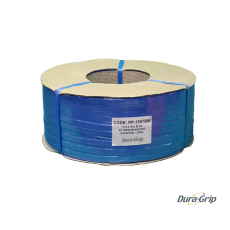
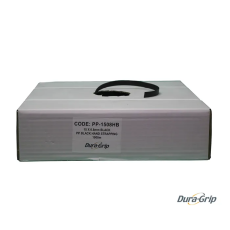
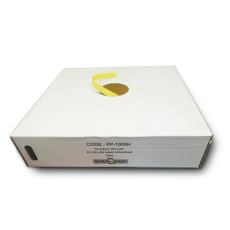
At Ink Station, we stock three core materials to cover just about every pallet strapping job: PET (polyester), polypropylene and composite. Browse our range and choose from lightweight, flexible options for small cartons and unitising, and step up to high-tensile systems for heavier pallets or longer transits. Each option is warehouse-ready and compatible with standard tools and buckles, making it easy to integrate into existing packaging strapping workflows.
PET & Polyester Strapping
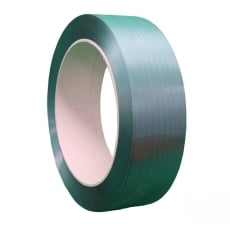
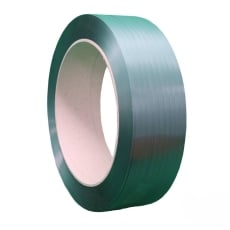
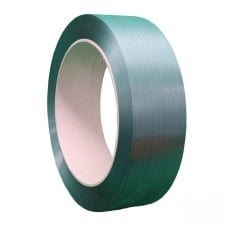
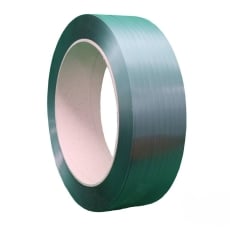
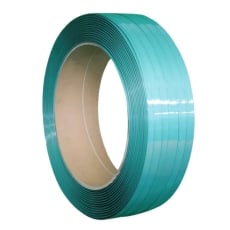
For demanding applications, PET has high tensile strength with low creep, holding stacks tight through temperature changes and while in transit for long periods. It offers excellent impact absorption, reduced stretch, and strong resistance to weathering, making polyester strapping a reliable stand-in for steel in many operations. If you're shipping bricks, tiles, timber, or whitegoods, a correctly tensioned PET strap will keep its shape and maintain closure integrity from dock to door.
Polypropylene (PP) Strapping
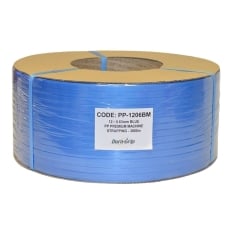
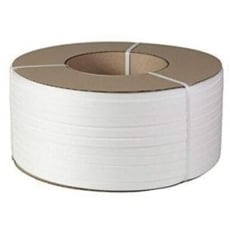
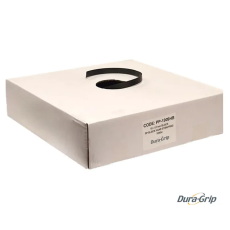
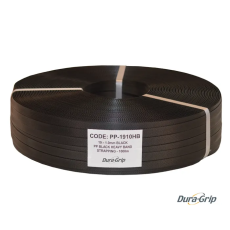
Polypropylene strapping is flexible, cost-effective, and easy to use for lighter cartons, mailers, and quick bundling. It feeds smoothly through manual tools and tabletop machines, can be secured with buckles or heat, and resists splitting during everyday handling. These features make it perfect for use in e-commerce fulfilment centres, retail back rooms and general packing benches.
Composite Strapping
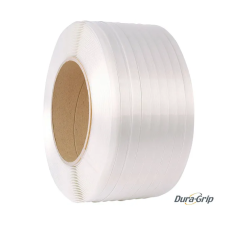
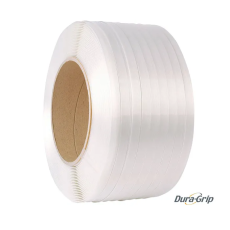
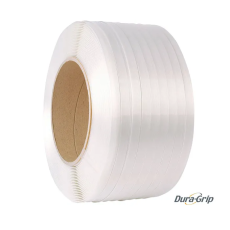
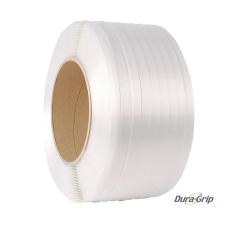
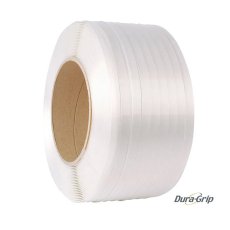
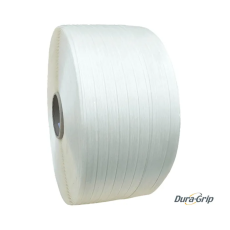
Composite strapping features a fibre-reinforced core that combines toughness and shock resistance. Composite strapping shines in applications where loads may shift in transit, whether when loading mixed pallets, irregular shapes or rougher transport legs. Non-abrasive to product edges and friendly to handlers, it’s a smart alternative when you need robust retention without the hazards of steel.
Related Tools & Packaging Supplies
Complete your packing line with:
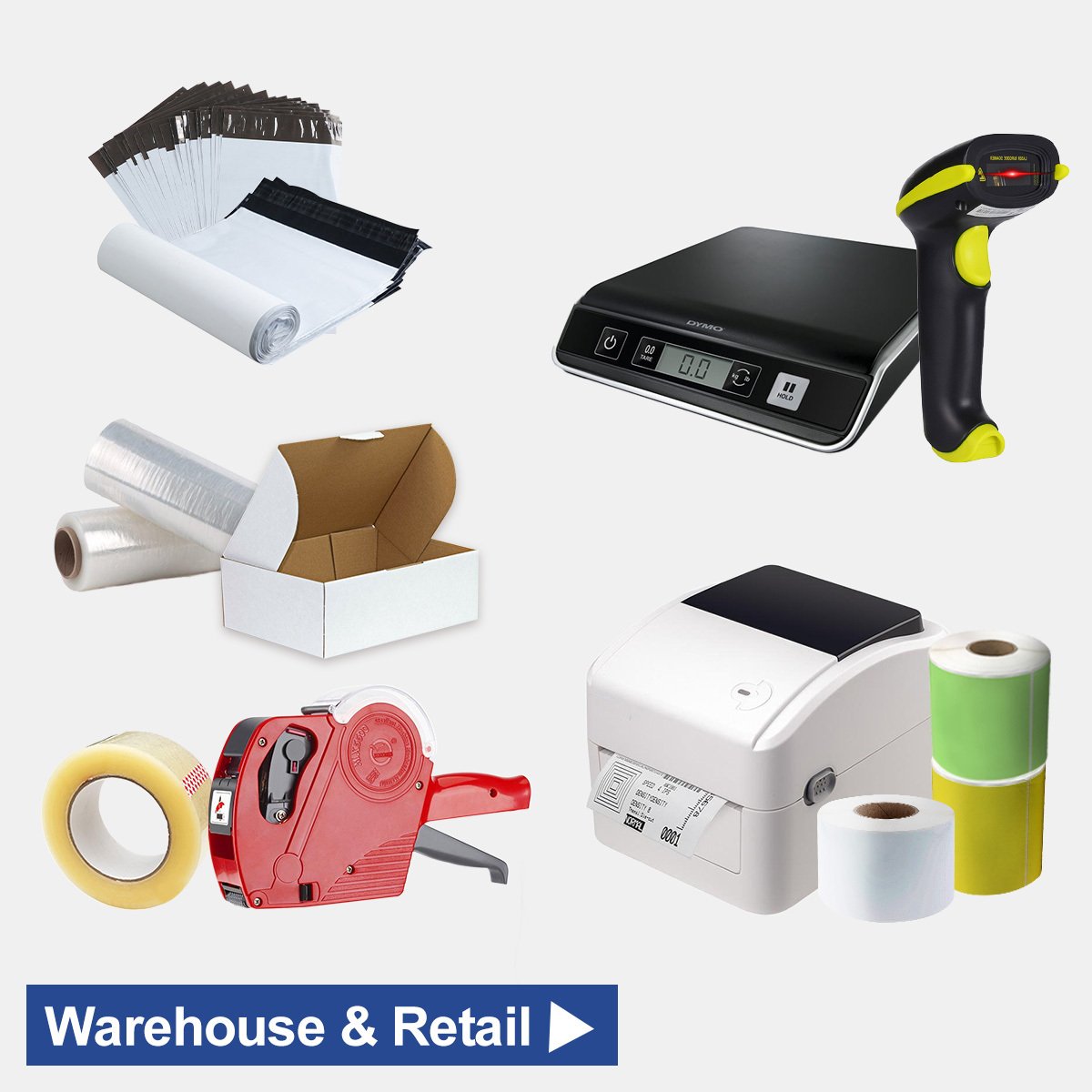
- Packaging Tapes for carton closure
- Stretch Films for dust and moisture protection
- Protective Packaging to cushion impact
- Postal Scales for accurate freight calculations
- Knives and Cutters for safe, efficient trimming