











Direct Thermal Labels
Direct thermal labels provide fast and efficient barcode and shipping label printing for retail, warehouse and logistics operations. InkStation supplies a wide range of barcode labels, shipping labels, thermal printer labels, warehouse labels and retail labels designed for reliable daily printing performance. Direct thermal labels support high-speed printing without ribbons, making them a practical solution for inventory management, product labelling, freight operations and retail workflows.
-
Label Width


-
Label Length
-
Label Colour
-
Printer Type
-
Adhesive Type
-
Label Shape
-
ProductsAll Prices Include G.S.T.


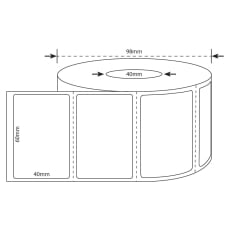

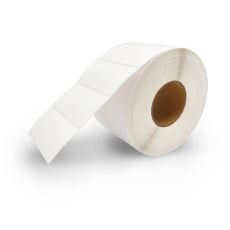
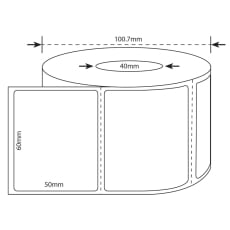
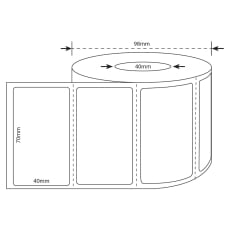
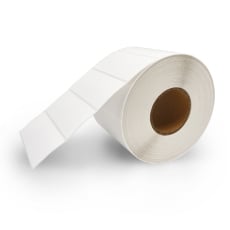
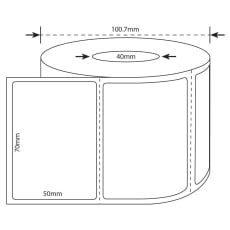
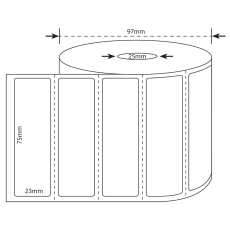
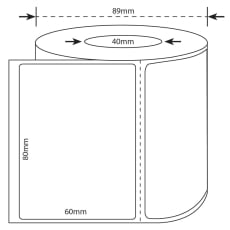
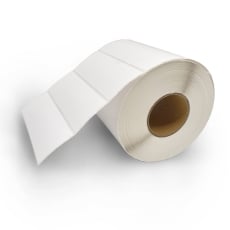
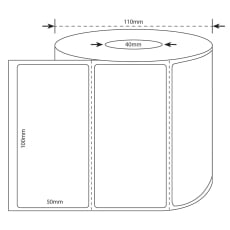
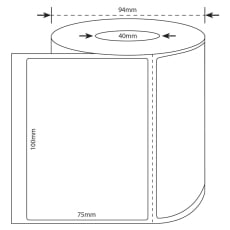
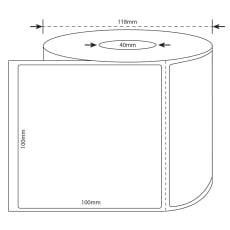
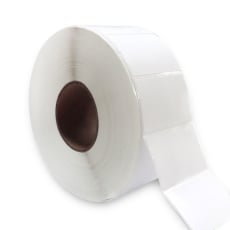
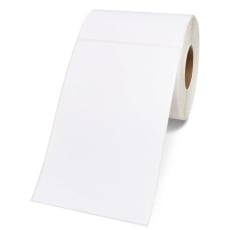
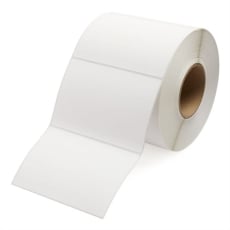
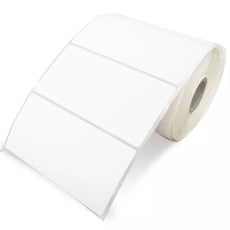
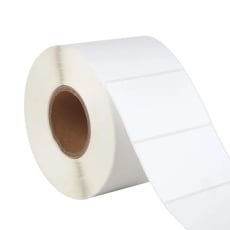
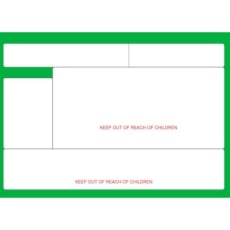
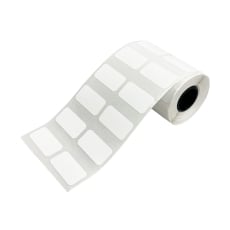
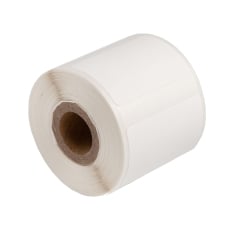
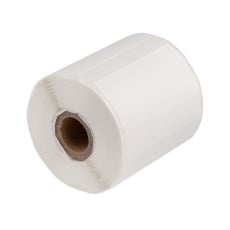
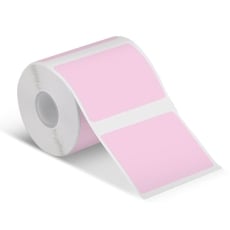
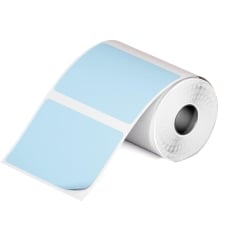
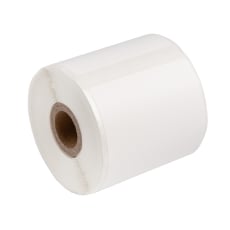
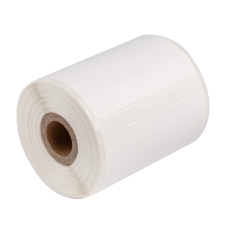
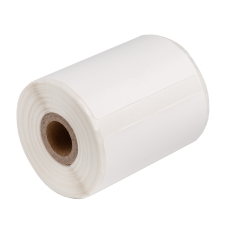
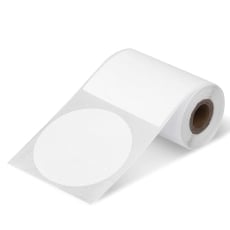
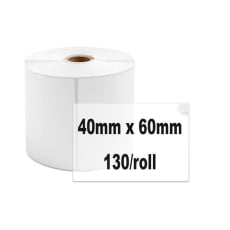
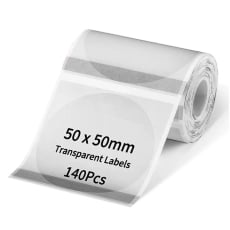
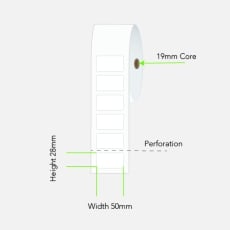
Direct Thermal Labels for Retail & Warehouse Operations
Direct thermal labels support efficient barcode printing, shipping workflows and inventory management across retail stores, warehouses and logistics environments. Businesses use thermal labels for fast and reliable label production without requiring ink, toner or ribbons.
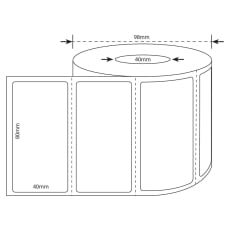
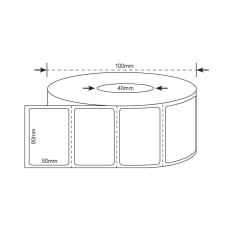
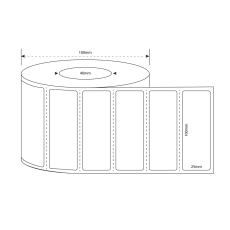
InkStation offers direct thermal labels in a wide range of sizes suitable for retail, shipping and commercial labelling applications.
Barcode Labels & Shipping Labels
Barcode labels improve inventory accuracy, stock tracking and operational efficiency. Shipping labels help businesses manage courier deliveries, freight handling and warehouse organisation more effectively.
Our direct thermal labels range supports:
- Barcode printing
- Shipping labels
- Retail shelf labels
- Inventory tracking labels
- Courier and dispatch labels
- Warehouse labelling applications
Direct Thermal Printing Benefits
Direct thermal labels use heat-sensitive material that allows printers to create sharp and clear labels quickly. Businesses choose direct thermal printing for daily retail and logistics operations because it supports:
- Fast printing speeds
- Lower maintenance requirements
- Simple operation without ribbons
- Reliable barcode scanning performance
Direct thermal labels are commonly used for shipping, warehouse management, retail pricing and short-term product labelling.
Label Sizes for Different Applications
Choosing the correct thermal label size improves print accuracy and operational efficiency. InkStation offers direct thermal labels suitable for:
- Shipping labels
- Product barcode labels
- Retail shelf labels
- Freight and warehouse labels
- Inventory tracking systems
Our range supports multiple thermal printer models used in retail and commercial environments.
Why Choose InkStation for Direct Thermal Labels
InkStation provides reliable direct thermal labels backed by local Australian support and fast shipping. Businesses can source barcode labels, shipping labels and thermal printer consumables in one place.
Our label solutions support retail stores, warehouses, freight companies and commercial operations looking for dependable daily labelling supplies.
FAQs
Direct thermal labels use heat-sensitive material to create printed labels without requiring ink or ribbons.
Businesses commonly use direct thermal labels for barcode labels, shipping labels, retail labels and warehouse inventory management.
No. Direct thermal labels print using heat from the printer and do not require thermal transfer ribbons.
Direct thermal labels print without ribbons, while thermal transfer labels require ribbons for more durable and long-lasting printing.
Yes. Direct thermal labels are widely used for shipping and courier labels because they support fast and efficient printing.
Retail, warehousing, logistics, freight, healthcare and hospitality businesses commonly use direct thermal labels.
Standard direct thermal labels offer limited moisture resistance. Specialised labels provide improved durability for certain environments.
The correct label size depends on your printer model and the intended application, such as shipping, barcode or retail shelf labelling.