











Filter by
-
Brand


-
Material
-
Paper Weight (gsm)
Archival Paper
Shop the highest quality Archival Paper from InkStation. All Archival Paper we sell come with a 100% satisfaction guarantee. Enjoy great savings with InkStation's supplies now!
-
ProductsAll Prices Include G.S.T.


-
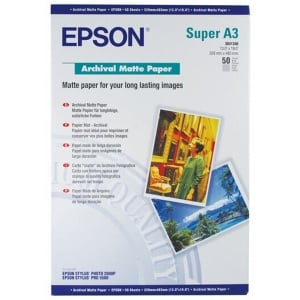 $105.74Free Shipping
 -
 $89.52Free Shipping
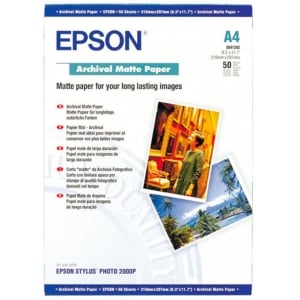
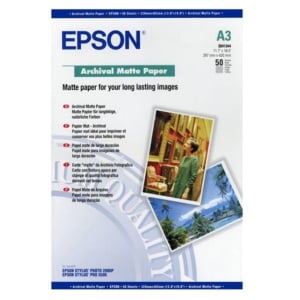
Archival paper is an essential material used in the preservation of documents, photographs, books, and other artifacts. It is designed to resist deterioration over time and protect the contents from fading or becoming brittle due to the effects of aging. In addition to its archival qualities, archival paper must also be of a high quality so that it can resist damage caused by handling and other environmental factors.
Archival paper has been used for centuries to preserve important documents and works of art. Early examples include parchment documents used by monks in the Middle Ages, as well as vellum manuscripts were written on animal hide. During the Renaissance period, the paper was produced using a variety of techniques including hand-made sheets and presses. In the 19th century, a more uniform process for making archival paper was implemented using modern technology. This allowed for improved consistency and durability of archival materials.
Today, archival paper is available in many different forms including acid-free papers, which are made with chemicals that prevent acid from leaching into the document over time; lignin-free papers, which resist yellowing; and alkaline-buffered papers which are designed to neutralize any acids present in the paper or surrounding environment. Archival papers also come in a variety of weights and sizes to suit different applications such as bookbinding or printing documents.
When selecting archival paper for preservation purposes, it is important to consider how much protection you need as well as how long you would like your document or artifact preserved. The more durable a material is, the longer it will last without deteriorating; however, more expensive materials may not always be necessary if your document does not need long-term preservation or will only be stored for a short period of time. The choice between acid-free versus lignin-free or alkaline-buffered papers should also be determined based on how much protection your document requires against environmental factors such as moisture or changes in pH levels over time.
In addition to its archival properties, archival paper should also be chosen based on its aesthetics; many types come with various colours and textures that can enhance the appearance of any artwork or document being preserved. Furthermore, certain types of archival paper are designed specifically for certain applications such as photographs; these papers are often coated with chemicals that prevent fading or discolouration due to UV light exposure over time.
Overall, when selecting an appropriate type of archival paper for preservation purposes it is important to think about what kind of protection you need for your particular item as well as its intended use; this way you can ensure that your document will remain safe from deterioration over time while maintaining its aesthetic appeal at the same time.
Archival paper has been used for centuries to preserve important documents and works of art. Early examples include parchment documents used by monks in the Middle Ages, as well as vellum manuscripts were written on animal hide. During the Renaissance period, the paper was produced using a variety of techniques including hand-made sheets and presses. In the 19th century, a more uniform process for making archival paper was implemented using modern technology. This allowed for improved consistency and durability of archival materials.
Today, archival paper is available in many different forms including acid-free papers, which are made with chemicals that prevent acid from leaching into the document over time; lignin-free papers, which resist yellowing; and alkaline-buffered papers which are designed to neutralize any acids present in the paper or surrounding environment. Archival papers also come in a variety of weights and sizes to suit different applications such as bookbinding or printing documents.
When selecting archival paper for preservation purposes, it is important to consider how much protection you need as well as how long you would like your document or artifact preserved. The more durable a material is, the longer it will last without deteriorating; however, more expensive materials may not always be necessary if your document does not need long-term preservation or will only be stored for a short period of time. The choice between acid-free versus lignin-free or alkaline-buffered papers should also be determined based on how much protection your document requires against environmental factors such as moisture or changes in pH levels over time.
In addition to its archival properties, archival paper should also be chosen based on its aesthetics; many types come with various colours and textures that can enhance the appearance of any artwork or document being preserved. Furthermore, certain types of archival paper are designed specifically for certain applications such as photographs; these papers are often coated with chemicals that prevent fading or discolouration due to UV light exposure over time.
Overall, when selecting an appropriate type of archival paper for preservation purposes it is important to think about what kind of protection you need for your particular item as well as its intended use; this way you can ensure that your document will remain safe from deterioration over time while maintaining its aesthetic appeal at the same time.
Buy Archival Paper
Buy Our Archival Paper at Best Price.Full Range of Archival Paper at excellent value and will be delivered to your door super fast!
When can I expect delivery of my Archival Paper
Your Archival Paper is dispatch on the same day from warehouse from Melbourne, Sydney, Brisbane or Perth if order place before 3pm Mon-Fri excluding public holiday. We ensure we always use the best delivery method to delivery the order to your door.As a general guideline, most deliveries to major cities will take 1-3 business days, whilst it could take up to 5 business days for more remote areas. This general guideline does not apply to large / bulky items. Please refer to the large / bulky item section below for more information. All delivery timeframes provided at Ink Station are an estimate and do not account for unforeseeable circumstances which may affect the delivery of your parcel.
Archival Paper Warranty
Our Archival Paper are cover by a full manufacturers warranty! If your product is faulty, please check with us to organise a replacement or refund. See our warranty page for full details.How can I pay?
We accept payment by Visa, Mastercard and Bank Transfer. There is no surcharge for using credit card or any other payment methods.






How secure is Online for ordering?
Credit card payments are securely processed by SecurePay, We do not store credit card details, and No credit card data or information is stored on our site in any form. Note: Direct deposit and cheque payments require payment clearance before order dispatch. Our site uses 256bit SSL encryption provided from GeoTrust ensuring your credit card details remain safe.Order Archival Paper now
To purchase on the internet you can press the "Add to Cart" next to the products you require. If order over the internet is not for you. You can also order Cartridges for Printers by calling our friendly sales team 1300 655 943 to place your order.