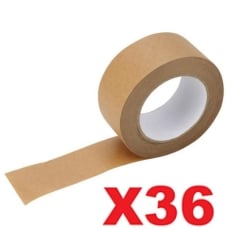
Warehouse Packaging Supplies

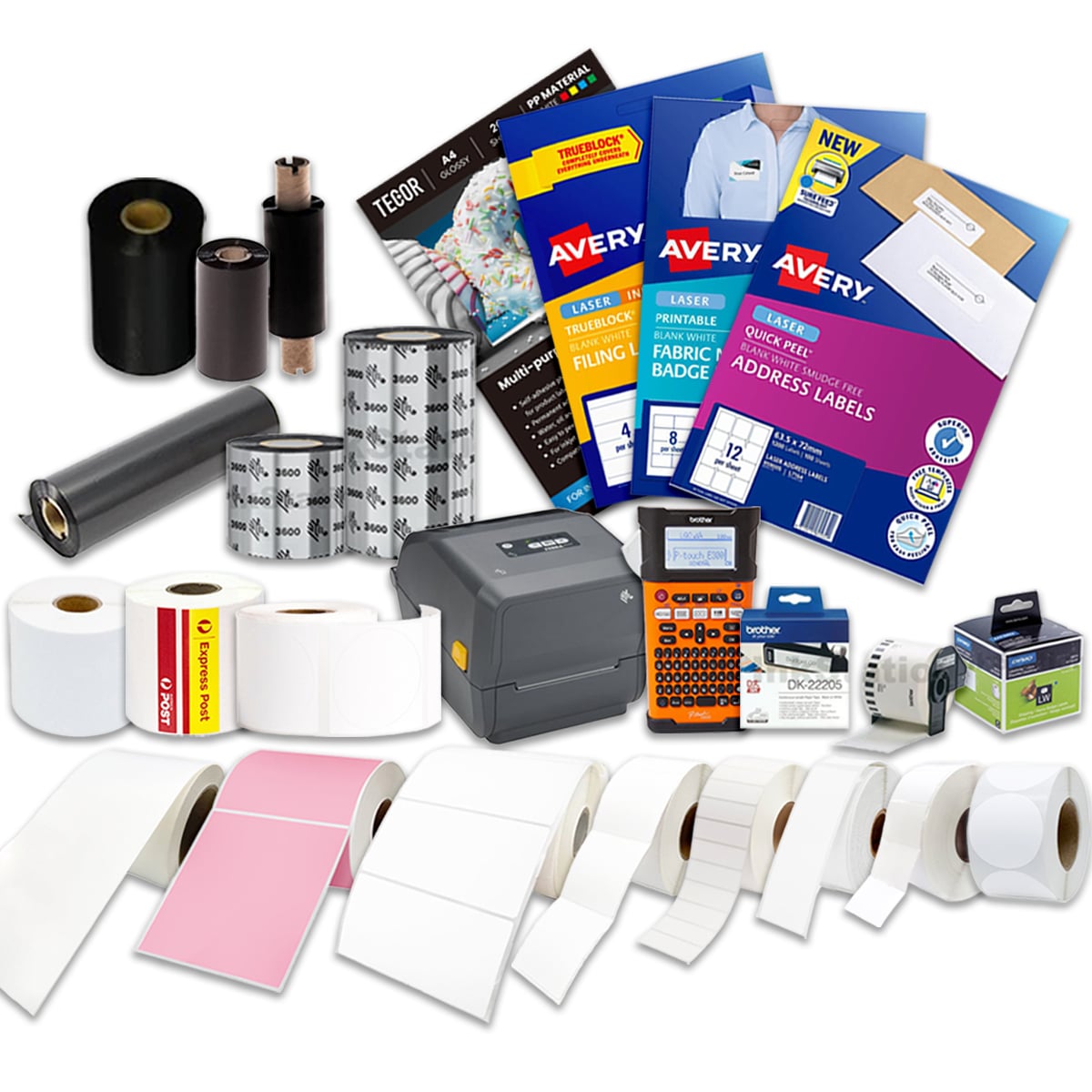
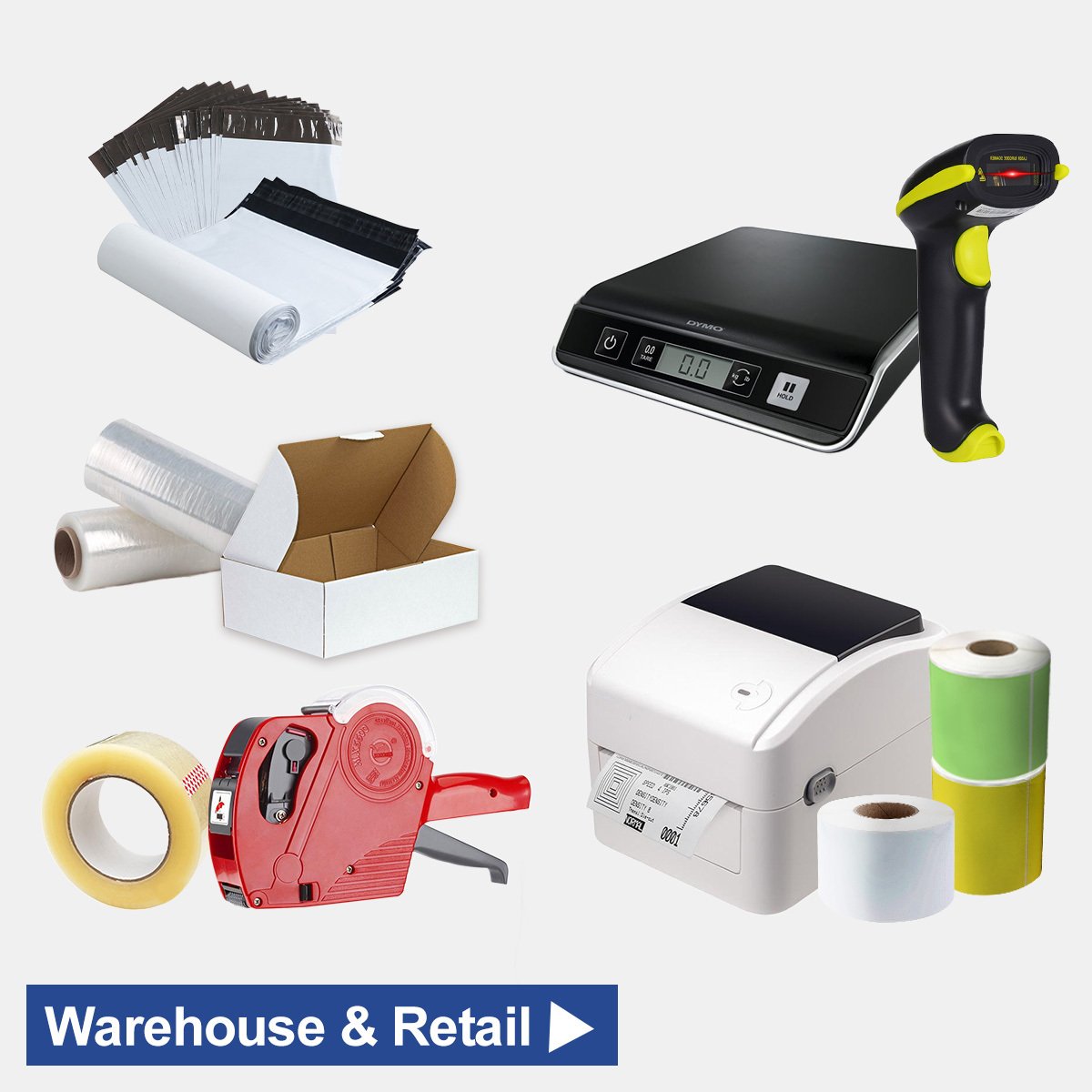
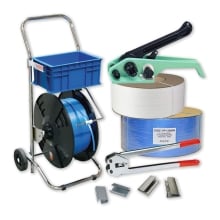
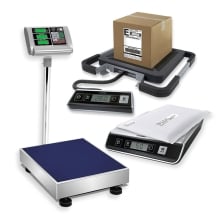
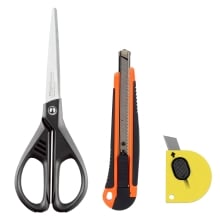
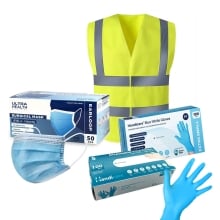
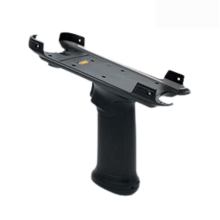
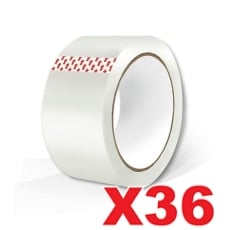
Buy cheap Warehouse Packaging Supplies Packaging Tapes, Poly Mailers, Mailing Boxes, Bubble Padded Mailers, Envelopes & Rigid Mailers, Doculopes, Stretch Films, Protective Packaging, Strapping Solutions, Barcode Scanners, Price Guns & Labels, Postal Scales, Knives & Cutters, Personal Protection (PPE), Receipt Printing, Shipping & Address Labels, Label Makers & Supplies, Heat Sealers, Accessories for Barcode Scanners in bulk and save

See our complete range of Warehouse Packaging Supplies at the links above.

Affordable Packaging Supplies Store In Australia For Your Business


As a business owner, you know the importance of packaging your products safely and securely. Proper packaging not only protects your goods during shipping, but it also helps to prevent damage and loss. At Ink Station, we provide a wide range of warehouse supplies with competitive prices to help you save on packaging supplies costs!


At Ink Station, we offer a wide range of printers, thermal shipping printers & courier label supplies, and office supplies specifically designed for use in warehouses.


FEATURED PRODUCTS

Frequently Asked Questions

What types of packing materials should I consider for packaging & shipping?
+
-
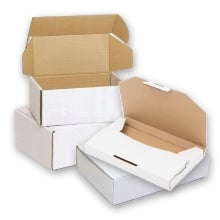
  • Mailing boxes are used to ship products regularly and are available in various sizes and styles for different types of goods
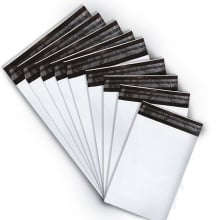
  • Courier Satchels Post bags are used to ship small and medium-sized items and are made of durable & waterproof materials with self-adhesive seals
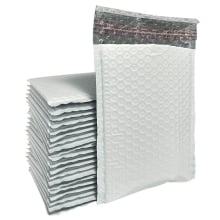
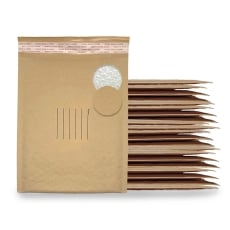
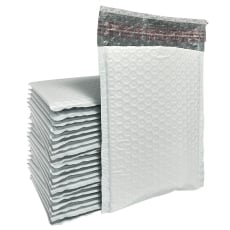
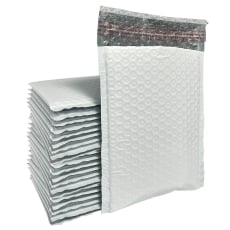
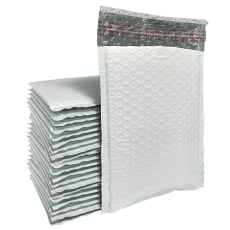
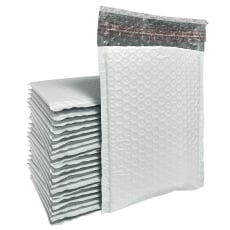
  • Bubble mailers are used to ship small and fragile items as it made of a durable outer layer with bubble wrap padding
  • Bubble wrap is used to ship fragile or delicate items and is available in various sizes and thicknesses for different types of goods, providing cushioning to prevent damage during shipping.
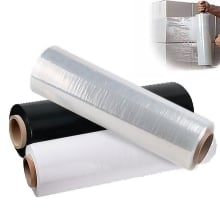
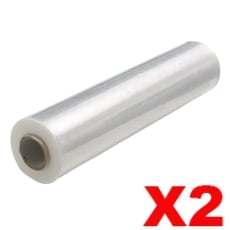
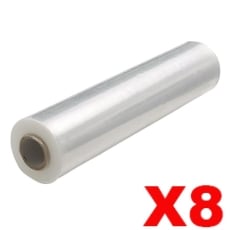
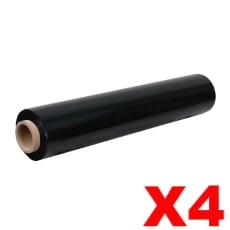
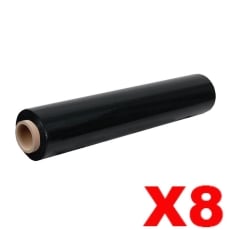
  • Pallet wrap, also known as stretch film, is used to secure and stabilize loads on pallets for shipping
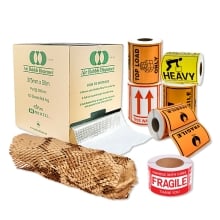
  • Polycell Honeycomb Paper is a cushioning protection solution for products, which can wrap and void fill needs.
What are some common materials used for packing & shipping boxes?
+
-

There are several materials commonly used through the mail or with a courier service, including:


  • Cardboard box: popular choice for carton boxes as it is strong, lightweight, and affordable. It is also easy to print on and customize with logos and branding.
  • Corrugated cardboard box: a type of cardboard with a wavy layer in the middle, which gives it extra strength and durability. It is often used for heavy or fragile items that require extra protection during shipping.
  • Plastic box: Plastic shipping boxes are made of lightweight, durable materials, such as polyethylene or polypropylene. They are often used for items that need to be protected from moisture or other environmental factors.
  • Wood box: Wood shipping boxes are strong and sturdy, but they can be heavy and expensive. They are often used for high-value items that require extra protection.
Can you use any type of tape on a package?
+
-

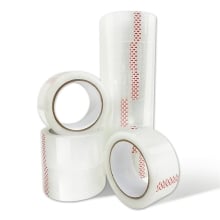
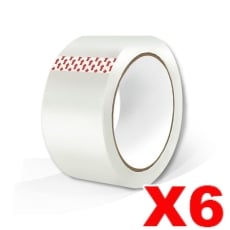
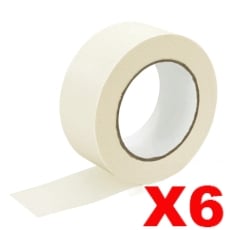
In general, any type of tape can be used on a package, but some types of tape are more suitable for certain types of packaging and contents than others. For example, clear or transparent tape is a good all-purpose tape that is suitable for most types of packaging, but reinforced gummed paper tape or filament tape are better suited for heavy duty packaging. Printed warning message tape is used to alert handlers and carriers of fragile or hazardous content. Masking tape is not ideal for packaging as it is not strong enough to keep the package sealed for long periods of time and it can leave residue when removed. Duct tape is a strong and durable tape that is waterproof and can be used for packaging, but it is not as clear or professional-looking as other types of tape.

What types of packaging tapes are there?
+
-
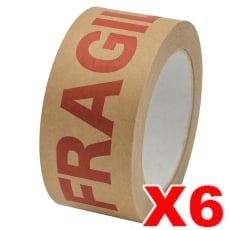
  1. Packing tape with printed warning messages: This type of tape is used to alert handlers and carriers of fragile or hazardous content.
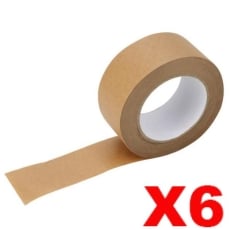
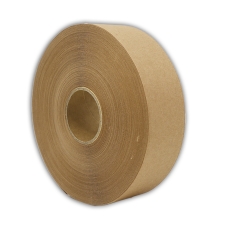
  2. Reinforced gummed paper tape: This type of tape is made from paper and reinforced with fibers for added strength.
  3. Hot melt tape: This type of tape is made from a synthetic material that is activated by heat, making it strong and durable.
  4. Custom printed tape: This type of tape can be printed with a company's logo or message, making it a useful marketing tool.
  5. Freezer tape: This type of tape is designed to withstand extreme cold temperatures, making it ideal for packaging items that will be stored in a freezer.
  6. Filament tape: This type of tape is reinforced with fibers for added strength and is typically used for heavy duty packaging and palletizing.
  7. Masking tape: This type of tape is designed to be removed easily and cleanly without leaving residue.
  8. Duct tape: This type of tape is strong, durable and waterproof and is commonly used for a variety of household repairs and packaging needs.
Why is my packing tape not sticking to boxes?
+
-

There are several reasons why packing tape may not be sticking to boxes:


  • The surface of the box is dirty or dusty: If the surface of the box is not clean, the tape may not adhere properly. It is important to clean the surface of the box before applying tape to ensure a strong bond.
  • The temperature is too cold: Packing tape may become brittle and less adhesive in cold temperatures, making it less effective at sticking to boxes. It's important to store tape in a warm environment to ensure it maintains its adhesive properties.
  • The tape is old or has been exposed to extreme temperatures: Packing tape can lose its adhesive properties over time, especially if it has been exposed to extreme temperatures. It's important to check the expiration date on the tape and make sure it is still usable.
  • The box is made of a non-stick material: Some types of boxes, like wax-coated boxes, can be difficult for tape to adhere to. It may be necessary to use a different type of tape or adhesive to seal these types of boxes.
  • The tape is applied unevenly: If the tape is applied unevenly, with wrinkles or bubbles, it may not stick properly to the box. It's important to apply tape smoothly and evenly for a strong bond.
  • The tape is applied too lightly: If the tape is not applied with enough pressure, it may not stick properly to the box. It's important to apply tape with enough pressure to ensure a strong bond.
  • By identifying the reason why tape is not sticking, you can take appropriate steps to address the problem and ensure that your packages are properly sealed.
What size tape fits in a tape dispenser?
+
-

The size of tape that fits in a tape dispenser depends on the dispenser itself. Most tape dispensers are designed to hold tape that is a standard width of 50mm or 76m. However, some dispensers are designed to hold tape that is wider or narrower, so it is important to check the specifications of the dispenser to ensure that the tape you are using is the right size. Also, some dispensers have adjustable rollers that can be adjusted to fit different widths of tape.


The tape dispenser you can find our website fits tape roll with a 50mm width and 76mm core. 

Is Mailing a bubble mailer cheaper than a box?
+
-

Mailing a bubble mailer can be cheaper than mailing a box, depending on the weight, size, and destination of the package. Bubble mailers are made of a lightweight material, which can make them less expensive to ship than a box. Additionally, bubble mailers are pre-formed and do not require any additional packing materials, like tape or cushioning, which can also save on shipping costs.


However, if you are shipping a large or heavy item, a mailing box may be more cost-effective because bubble mailers have weight and size limitations. Also, if you are shipping a fragile item, it might be more suitable to use a box with cushioning materials like foam peanuts or bubble wrap.


It's also important to consider the shipping service you choose. Some shipping services offer flat rate pricing options for different types of packages, which can make it cheaper to ship a box than a bubble mailer depending on the weight of your package.


Do I need bubble wrap for shipping?
+
-

Yes, especially for the fragile products, the bubbles in bubble wrap help to absorb shock and prevent damage during shipping. Make sure you use enough bubble wrap to protect the shipping goods. For the documents or paper, it might not be necessary to use bubble wrap for shipping.


Bubble wrap can be useful for protecting fragile items during shipping, as it cushions and absorbs impact. However, it is not necessary for all types of shipping. The use of bubble wrap depends on the item you are shipping and how fragile it is.


If you are shipping fragile items it's a good idea to use bubble wrap to provide extra protection during transit. The bubbles in the wrap act as a shock absorber, which can help prevent damage from impact or vibration during shipping.

What is the difference between pallet wrap and shrink wrap used in the warehouse?
+
-

Pallet wrap and shrink wrap are both types of stretch film that are used to secure and protect items during storage and transportation. However, they have different properties and are typically used in different ways.


Pallet wrap, also known as stretch wrap, is a stretchable plastic film that is wrapped around items on a pallet. The film is stretched and wrapped around the items, which helps to hold them together and keep them secure during transport. Pallet wrap is often used to secure items on a pallet for shipping or storage. It's a cost-effective way to keep items together and protected.
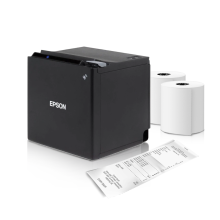
 

Shrink wrap, on the other hand, is a plastic film that is placed over items and then heated, causing the film to shrink tightly around the item. This creates a tight and secure seal that helps to protect the item from dust, moisture, and other elements. Shrink wrap is often used to package items such as food, books, and electronics.

Can hand pallet wrap be used for small or irregularly shaped loads?
+
-

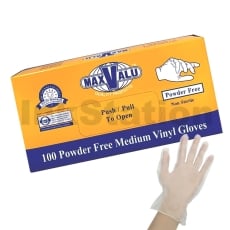
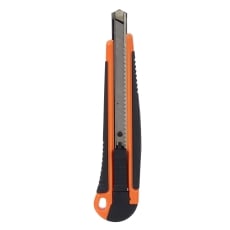
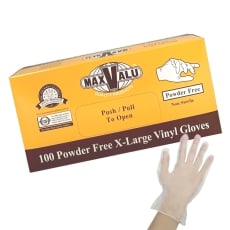
Hand pallet wrap is applied using the hands, rather than a machine, making it suitable for smaller or more irregularly shaped loads. Wear gloves to protect your hands and use a sharp blade or scissors to avoid tearing or shredding the wrap.

What factors should I consider when selecting the appropriate pallet wrap/stretch film?
+
-
  • Weight & size of the items
  • Storage and transport conditions
  • Type of wrap you need (e.g., hand wrap, machine wrap, extended core wrap)
  • The level of stretch required
  • Any specific performance requirements (e.g., puncture resistance, UV protection)
What are the different types of barcode scanners available for warehouse use?
+
-

There are several types of barcode scanners available for warehouse use, including:


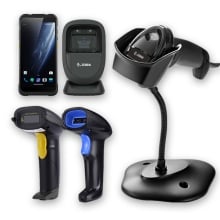
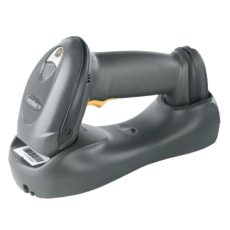
Handheld barcode scanners: These scanners are small, portable devices that are typically held in the hand. They are useful for scanning barcodes on items in a warehouse or retail setting.


  • Desktop barcode scanners: These scanners are larger devices that sit on a desk or counter. They are useful for scanning barcodes on items in a warehouse or retail setting, especially for high volume scanning.
  • 2D barcode/ QR code scanners: These scanners are able to read both 1D and 2D barcodes, including QR codes. They are useful for scanning barcodes on items in a warehouse or retail setting, especially when the barcodes are small or have been damaged.
  • Wireless barcode scanners: These scanners use Bluetooth or Wi-Fi technology to connect to other devices, such as a computer or mobile device. They are useful for scanning barcodes on items in a warehouse or retail setting and can be used to track inventory and shipments.


Each type of scanner has its own unique set of features, capabilities and price range, so it's important to consider the specific needs of your warehouse or retail setting when selecting a barcode scanner.

Can barcode scanners be used to track inventory in a warehouse?
+
-

Yes, by scanning the barcodes or QR codes on products or labels, warehouse staff can quickly and accurately update inventory levels and track the movement of goods within the warehouse. This can help to improve efficiency and no more tedious manual counting or the risk of errors – barcode scanners make inventory management a breeze!

What barcode scanners are best to use in a warehouse?
+
-

Warehouses often use handheld or wireless barcode scanners to quickly and accurately scan items for inventory management and tracking through data capture. Some warehouses may also use QR code scanners to read QR codes on products or shipping labels. You can find the suitable barcode scanners here.

How do I create a barcode system for my inventory?
+
-

To create a barcode system for your inventory, you will need to:


  1. List all products and their information within your inventory, eg. vendor information, item dimensions, short product description
  2. Determine the type of barcode you need (such as UPC or EAN).
  3. Obtain a unique barcode number from a registration agency or specialist.
  4. Use a barcode generator to create the image.
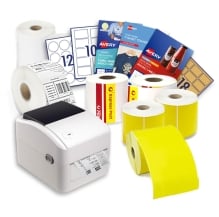
  5. Print the barcode and attach it to your inventory.
  6. Scan the barcode with a barcode scanner or smartphone app to track your products.


By following these steps, you can create a barcode for your inventory and use it to track and manage your products more efficiently.

What is the best price tag gun for my business?
+
-

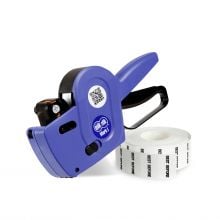
The best price tag gun for your business will depend on the specific needs of your business, such as the type of items you sell, the volume of items you need to price, and the size and design of the tags you will be using. In most cases it is typically a single or double line pricing gun that is able to handle high volume tagging and can withstand the rigors of a retail environment. 

What is the difference between a single line and double line pricing gun?
+
-

A single line pricing gun is designed to print one line of information, such as a price or product code. A double line pricing gun is capable of printing two lines of information, allowing for more detailed tagging. The price of the price gun at Ink Station starts at $18.90. 
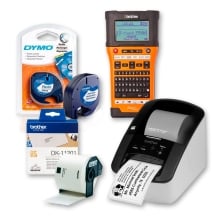
What is a Quikstik pricing gun and how does it differ from other pricing guns?
+
-

A Quikstik pricing gun is known for its durability and ease of use. It uses a unique "drop-in" ink roller system that allows for quick and easy ink changes, making it a convenient choice for high-volume tagging.


Check out our QuikStik Range.

What are the best price gun labels for use?
+
-

The best price gun labels for use will depend on the specific needs of your business, such as the type of items you sell and the size and design of the tags you will be using. Here are a few types of price gun labels that are commonly used:


  • Standard price gun labels: These labels are the most common type and are suitable for most retail settings. They come in a variety of colors and sizes, and have a strong adhesive that sticks to most surfaces.
  • Removable price gun labels: These labels are designed to be removed easily without leaving residue, making them useful for items that are frequently repriced or for temporary sales.
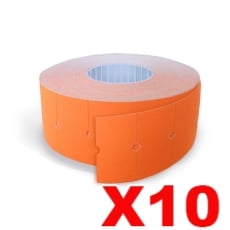
  • Fluorescent price gun labels: These labels are bright and easy to see, making them useful for items that are on sale or for items that are difficult to find on a store shelf.
  • Weatherproof price gun labels: These labels are designed to withstand exposure to moisture and extreme temperatures, making them useful for items that are stored or shipped outside.

  • Pre-printed price labels: These labels come pre-printed with a specific price or other information, such as "Best Before" or "Reduced Price." They can be useful for quickly pricing items on sale or clearance.