Things to sort out before starting an ecommerce business
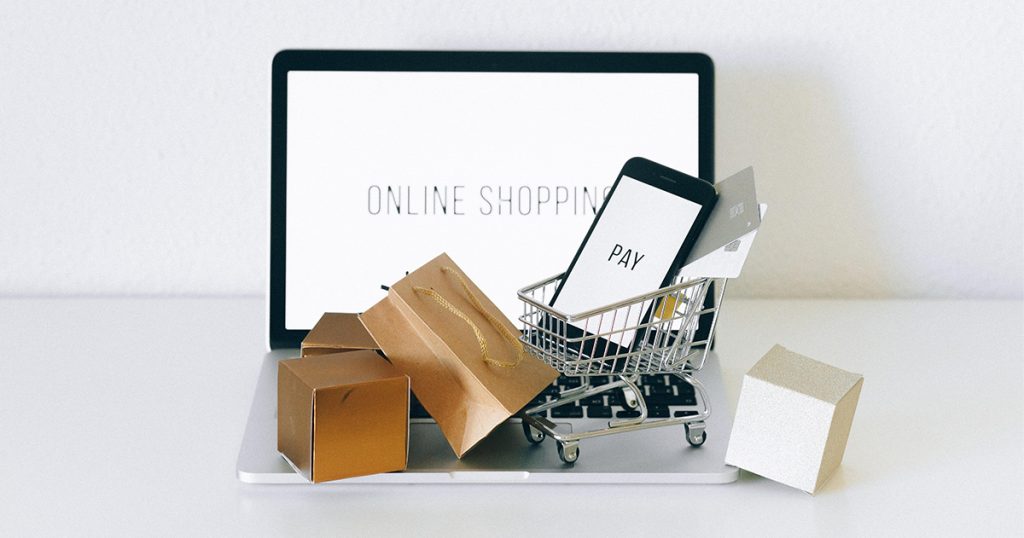 When starting an ecommerce business, there are many different factors to consider. From which shipping labels to use through to sourcing and stocking the products you’ll sell, and the hosting for the site, lots of elements need to be thought about.
Is it worth starting an ecommerce store? While a lot of effort often goes into launching an ecommerce business, the rewards can be great. An online store gives you the opportunity to reach a larger market, and the use of automation tools allows you to save time and money so you can focus on growing the business.
In today’s article, we’ll take a look at a few tips for starting an ecommerce business. Read on for advice on starting an ecommerce business from scratch.
Decide what you’ll sell
Before you launch the site or start the marketing, it’s important to first decide on what it is you’d like to be selling in your ecommerce store. You may have a product that you make from scratch at home, or be looking to find a supplier for particular items you wish to stock. Maybe you want to create a custom-made product from an idea you have and require a manufacturer to bring it to life?
Regardless of what it is you’re wanting to stock, start by determining your product offering and what it is you’ll be selling to customers online before proceeding to the next steps.
Research the competition
Now that you know the type of product you want to sell, it’s time to take a look at the competition. Start by entering the item you’ll be selling into Google and seeing who stocks similar items. By completing market research, you can get an idea of what other businesses are charging for a similar product. This will then allow you to charge an appropriate amount when starting an ecommerce business from scratch.
Read through reviews to see what people like and dislike about the site or product. Use this information to build a better product or offer a more tailored experience.
Find your source or supplier
Next it’s time to find your source for the product. Do your research and ensure you’re getting the best prices for the items you’ll be stocking. It’s also important to take into consideration the shipping times when deciding on a supplier, as this could have an impact on your customer satisfaction and delivery timeframes. You may require a manufacturer if your product is to be custom-made.
There are several ways to find a manufacturer or supplier for your new ecommerce store. Online directories can be a great source for finding suppliers. Another option for online sourcing is through sites such as Alibaba, which can allow you to connect with manufacturers and suppliers in China. Those that prefer to network in person might like to visit trade shows and industry events to connect with potential suppliers and manufacturers.
Branding doesn’t just stop at labels – you may also want to consider adding your logo and website URL to the product itself. If this is something you’re interested in, choose a manufacturer that offers customisation services.
If you’re hand-making the item you’re looking to sell, this step will involve finding the best supplier for all the items you’ll need to make it.
Questions to ask a supplier/manufacturer
Once you’ve found a potential supplier for your ecommerce product, you’ll want to ask them some questions to ensure you’re on the same page about production and supply. While the exact questions will differ depending on the type of product, here are some of the main questions you might wish to ask:
- How long does it take to make the product and ship it out?
- Do you provide dropshipping services?
- What are the accepted payment methods?
- Do you provide customisation for products?
- What happens if a product is defective or damaged?
- Do you offer custom branding of the product?
- What is the cost per product?
- What is the discount system for larger orders?
- Is the manufacturing process ethical and sustainable? If so, in which ways?
- What are the setup fees?
- What are the options for exclusivity of a custom-made item?
- What are the minimum order quantities for the product?
Choose a name for your business
Your business’ name will be the first thing customers see when they come across your brand, making it one of the most important marketing decisions you’ll make. Ensure that your business name is memorable and easy to spell. Check to make sure there isn’t a business already trading under your potential name before proceeding. At this point, you should also check to see if the domain and social media handles are available.
When looking for business name inspiration, think about what your business stands for and the values it carries. Start by brainstorming words that relate to those qualities. You may want to consider an acronym to find a memorable abbreviation.
Decide on your labels
If you’ll be shipping out the products yourself (rather than using a dropshipping service), you’ll want to ensure your products have the right labels and branding. Depending on your product, you may also want to consider adding a logo or slogan onto the labels or packaging. Different types of label makers are available that can help you to create your own labels in-house.
InkStation supplies a range of different ecommerce thermal shipping label printers to make the process of labelling your products simple and efficient.
Choose your packaging
Packaging is another important element of business to sort out before launching your ecommerce store. Think about the type of packaging that will be required to keep your product safe during transit as well as the environmental impact of your choice. You’ll likely also want to consider the aesthetics of the packaging to ensure that it is on brand.
You can find a range of different ecommerce packaging supplies online, or you may choose to order custom boxes or bags. Whichever you decide to go for, make sure that it is fit for purpose and will protect your products during transit.
Set up a website
Now it’s finally time to set up your website and start getting orders! To do this, you’ll need a domain name (the address of your website), hosting (space for all the files that make up your website) and a website builder (such as WordPress or Squarespace).
The exact steps to set up your website will depend on the platform you use, but typically include selecting your domain name, setting up the hosting and then installing a website builder. If you have any trouble along the way, there are plenty of online resources to help you out.
Alternatively, you can enlist the help of a web developer or digital marketing agency to assist you with building a website for your ecommerce store. They should also be able to help you with Search Engine Optimisation (SEO) and other marketing needs you may have.
Once your website is set up, you’ll need to add product pages and ensure all your payment and shipping information is accurate. You may also want to consider adding customer reviews, a blog or other features to your ecommerce store to make it more attractive to customers. As many people browse on their mobiles, don’t forget to make sure that your website is properly optimised for mobile devices.
Finally, you’ll need to set up different marketing channels such as email and social media campaigns to advertise your store and attract customers.
Research email marketing
Email marketing can be a highly-effective way of driving customers to your site. Take the time to research and understand how different email marketing platforms work, create an email list and design beautiful emails that will resonate with your customers.
When creating emails, make sure they are tailored to the customer and that you include relevant offers or incentives. There are many different email marketing tools – such as MailChimp – to assist you with delivering the right message to your customers.
Create social media accounts
Social media is a highly-useful promotional tool to harness for marketing your ecommerce business. As with the domain name, make sure you secure the same handles for all social media platforms so that customers will be able to easily find your business.
The type of social media accounts you’ll want to create will depend on the type of business you’ll be running and the products you’re looking to sell. For example, if you’ll be selling visual products, like clothing or furniture, Instagram or Pinterest might be the most appropriate platforms. On the other hand, if your products are more service-based, Twitter or Facebook may be more suited.
Create a cohesive look across all platforms and be sure to link social media accounts back to your website so that customers can easily find the products you’re selling.
Develop a content strategy
Once you have your accounts set up, it’s time to start creating content and engaging with followers. Creating and regularly posting content on your ecommerce website is an important part of marketing. A content calendar can be a useful tool to help you plan ahead and ensure your social media channels remain active. You may also want to consider creating other content such as blog posts, videos and podcasts. Try to always have posts planned for a few weeks ahead so that you don’t run out of content ideas.
When creating content for your ecommerce business, be sure to use high quality images and videos, as these will make your posts more eye-catching. You should also think about what content resonates with your target audience and focus on posting content related to this.
Finally, you should include calls-to-action such as ‘Click the link in our bio to shop now’ on your posts and stories, as this will help drive traffic from social media to your website.
Launch your business!
Once all your items are listed and ready to go, you have the logistics of your items organised and your packaging sorted, it’s time to take the site live!
Before launching, it’s important to make sure that everything is tested. Make sure all payment and shipping systems are working correctly, check emails are delivering properly and the website is loading quickly. Don’t forget to double check all of your product descriptions, images and other content for accuracy.
Once everything is ready to go, you can launch your ecommerce business and start selling products online! It’s a good idea to have a soft launch before formally announcing the opening of your store, to ensure everything is working as it should.
Promote your product
Sadly, it’s not as simple as having a live website and waiting for orders to start coming in. You’ll need to put in the time and effort to promote your business and products in order to attract customers.
You can start by using the social media accounts you’ve created to promote your store and products. You can also look into using digital marketing tactics such as pay-per-click (PPC) advertising, Google Ads, and Facebook Ads to draw more attention to your ecommerce store.
If you’re new to digital marketing, there are plenty of resources available to help you get the hang of it – such as websites, books and online training courses. Have a bit of a play around and complete A/B testing to figure out what works best for marketing your business. Remember, you can always bring in the experts by hiring a digital marketing agency to help you out.
Consider reaching out to influencers and physical stores
In today’s modern age, influencers can be a great way of getting your products out there and increasing sales. Reach out to influencers who match the look and feel of your brand and ask them to collaborate or review your products. When approaching influencers, ask them for their rates to promote a product. Depending on their size, some influencers may have managers who will handle these kinds of requests.
You may also want to reach out to physical stores in your local area, as many stock online products in-store. This can be a great way of increasing exposure and sales, without having to commit to a full storefront for yourself. Don’t be afraid to approach relevant stores and ask if they would be interested.
Invest in the right tools
There are many tools out there that can help you run a thriving ecommerce business. Investing in the right tools and applications can help you automate processes, save time and make your life easier in the long-term.
Some of the most common ecommerce tools include inventory management systems, customer relationship management (CRM) software, order fulfilment services and analytics tools. Consider which tools you need to make your business run smoothly and invest in ones that suit your budget and needs.
Many tools come with a free trial option, so you can give them a go before committing to buying the service.
Keep things fresh
In order to keep customers coming back, it’s important to continually update your store and create new content, offers and promotions. With the right strategy in place, you can create a successful ecommerce business that continues to grow and bring in more customers.
Write regular blogs to keep customers engaged and informed about your products, or post videos and stories to social media. You can also keep things fresh by regularly adding new items to your store, creating bundles or sales and offering discounts.
By using the right combination of content, promotion and strategy, you have the tools in place to create and run a successful ecommerce business.
Find a logistics supplier
Once your business begins to grow, you’ll likely need to bring in more tools to make the running of your store easier. A good place to start is by finding a logistics supplier who can help you with shipping, packaging and storage.
A good logistics supplier will be able to provide you with services that can help you scale your business and take it to the next level. When you’re sending out multiple orders, having a logistics supplier can save you money on shipping costs. It also saves time and can mean you run your ecommerce store with less hassle.
Companies such as WorldFirst provide ecommerce logistics solutions for businesses of all sizes. With a wide range of services, they help make the running of your ecommerce store faster and easier.
Don’t forget customer service
Finally, don’t forget about your customers! It’s essential that you build relationships with customers and provide them with good customer service.
Make sure you have an effective system in place for dealing with inquiries, complaints and refunds. This could be an automated system or a customer service team – whichever works best for your business.
You should also have a FAQ page on your website to answer any commonly asked questions that may arise and save your customers needing to get in touch. Once your business grows, you might like to consider providing customers with live customer service chat or telephone support.
Making reviews easy to see on your site and responding to them will show potential future customers what those who have purchased your products have to say. This builds trust for a brand.
Having effective customer service in place will help you build relationships with customers and keep them coming back to your store.
Overall, starting an ecommerce business can be a great way to build a successful and profitable venture. However, before you begin, it’s important to conduct thorough research, understand the product you’re selling, and your competition. Setting up a system for printing labels and shipping the products is also vital, as is having a website that’s easy to navigate. The way you interact with customers is also key to your business’ success, as customers need to feel valued and have their questions answered in a timely manner.
By taking steps to ensure the success of your business from the outset, you can create a successful ecommerce site that customers will enjoy.
We hope you’ve enjoyed learning about starting an ecommerce business. While it might seem like a daunting task, when you break the process down into easy-to-manage steps, it can be easier to work out what needs to get done.