
3D printer filament types
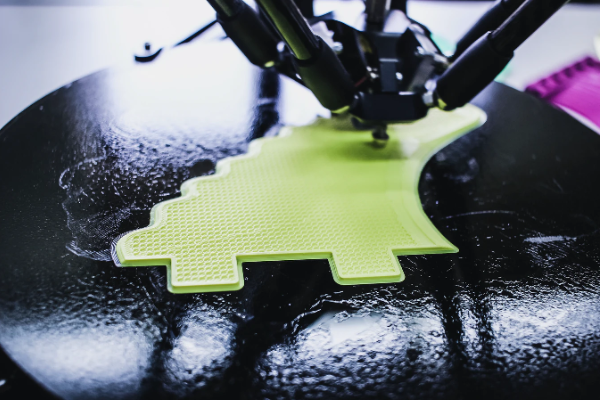 Want to know more about the material 3D printers use to generate the prints they make? This material is known as filament. Those interested in 3D printing might be interested in learning more about the 3D printing filament types available.
There are lots of different items that can be created through 3D printing, and it can be an exciting hobby to have. Whether you’re looking to print a replacement part for your printer or a fun toy figurine, choosing the right type of 3D printing filament is vital. The most popular 3D printing filaments are ABS, PLA and PETG, but there are others also available to familiarise yourself with.
With so many different open source printing designs and ideas available online, there is basically no limit to what can be created with 3D printing. There are also a variety of affordable 3D printers on the market for those that wish to begin their 3D printing journey.
There are many varieties of 3D printing available, with different types being made for different applications. As there are many types, there are pros and cons to each filament available. Knowing these pros and cons can help you to make the right decision for your 3D printing needs.
To create 3D prints, you simply need to purchase 3D printer filament and load it into the printer. Today, we take a look at some of the differences between a variety of 3D printing filament types available on the market.
Read on to learn more about what 3D printing filament is, plus some of the common types of filament.
What is 3D printing filament?
3D filament is the substance used to create prints within a 3D printer. This thermoplastic feedstock is available in many different varieties that have varying properties and diameters.
This filament is made by heating, extruding and cooling plastic. This plastic is then dyed with pigments or other additives to give it the desired colour for creating the 3D prints.
When it comes to size, 3D printer filament generally comes in two standard diameters, 1.75mm and 2.85mm.
There’s a wide variety of 3D printing filament available to choose from. Below, we cover some of the common types of 3D printer filament, and their properties.
Some common types of 3D printer filament
As there are lots of different types of 3D printers, and 3D printing designs to create, there are also many different filament types. It’s important to consider which machine you have before making your filament purchase. To find out which filaments your printer can print with, check your machine’s user manual.
While we can’t cover all of the 3D printing filaments available, today, here are a handful of popular choices on the market.
PVA 3D printing filament
This material is a soft and flexible polymer that dissolves in warm water. PVA is short for Polyvinyl Alcohol, and is biodegradable. This type of 3D printer filament is great for those looking to make quick prototypes, or support structures that can be easily dissolved upon project completion. One of the potential downsides of PVA filament is that it needs to be stored within an airtight container. It’s also one of the more expensive 3D printing filament options.
Nylon 3D printing filament
Nylon printing filament is a durable 3D printing filament that’s particularly tough. This filament is resistant to abrasion and has high melting temperatures, making it popular for use in functional parts. This high melting point also makes it a great choice for creating items such as interlocking gears and 3D-printed tools. While a durable material, nylon filament has a bit of a tendency to absorb moisture, meaning its performance can be a little unpredictable at times. We stock nylon filament in our online store.
ABS 3D printing filament
ABS is an acronym for Acrylonitrile Butadiene Styrene. It is a thermoplastic that is durable, flexible, strong, and forgiving, which makes it popular for 3D printing. The 3D printing magazine All3DP calls it “probably the most popular plastic for injection moulding”. This is the material used to make LEGO bricks. However, it’s worth noting this 3D printing filament isn’t biodegradable or made using renewable resources. Ink Station stocks a range of 3D ABS filaments in different colours.
PLA 3D printing filament
As far as 3D printing filament goes, PLA is another highly popular option. Short for Polylactic Acid, it’s a filament that’s biodegradable when placed in the right conditions. PLA is a thermoplastic that’s produced from renewable resources such as sugarcane, and can even be made from manufacturing equipment! This material is relatively cost-effective. More good news: PLA is also renewable, and does not require a heated bed. We have a wide range of 3D PLA filament at Ink Station in a variety of different colours.
3D printing allows users to create a range of different items, parts, and models. Whatever your interests are when it comes to 3D printing, online resources for creation abound. Today’s blog post only just scratches the surface of some of the common 3D printing filaments that exist on the market.
There are many different types of 3D printing filament out there, with varying properties and uses. We hope you’ve enjoyed learning a little more about some of the 3D filaments that exist.
At Ink Station, we have ABS, PLA, and nylon 3D printing filament available for purchase. Our transparent nylon filament comes in 1kg spools, allowing you to stock up for your many creations. When it comes to ABS and PLA filament types, we stock a variety of colours, so you’re sure to find the right one for your project.
Good luck with your 3D printing adventures, and we hope you print many wonderful designs!